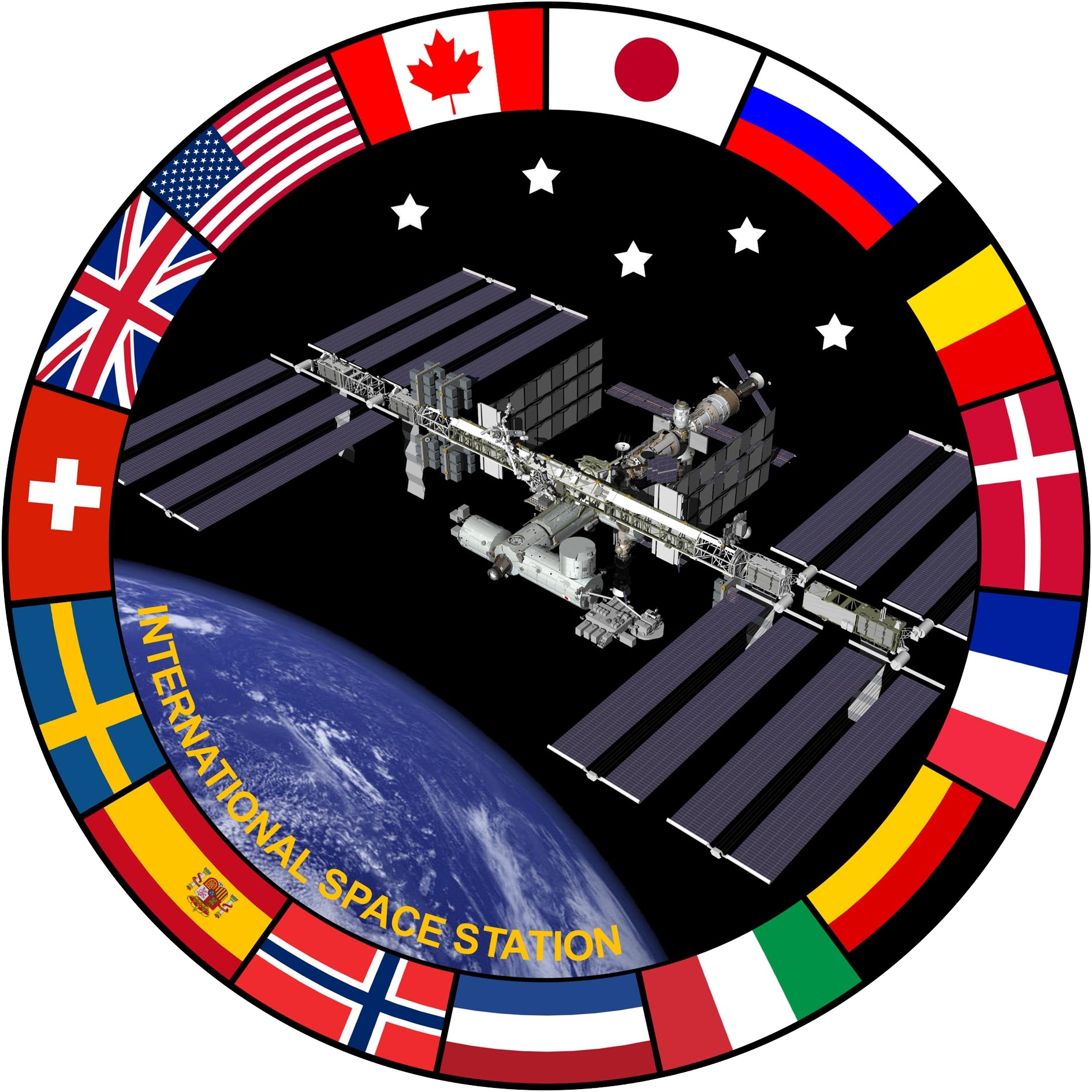
Space Stations
-
The Internastional Space Station (ISS) is a hub of scientific research and technological innovation, involving multiple countries and space agencies. Here are three ambitious projects related to the ISS that showcase the forefront of space exploration and research:
1.Mir Space Station
The Mir Space Station, developed by the Soviet Union and later operated by Russia, was one of the most significant milestones in the history of human spaceflight. It served as a critical platform for long-duration space missions and helped to establish many of the principles used on the International Space Station (ISS).The primary goals of Mir Space Station were:
Extended Duration in Space:
Mir was designed to support extended human habitation in space, allowing scientists and engineers to study the physiological and psychological effects of long-term spaceflight on astronauts. Scientific Research: The station was equipped with various modules that allowed a broad range of scientific research in areas such as biology, human biology, physics, astronomy, and meteorology. International Cooperation: Over its operational life, Mir hosted international astronauts, including those from NASA, ESA (European Space Agency), and other organizations, fostering international collaboration in space exploration.
Technological Testing: Mir served as a testbed for technologies that would later be crucial for the construction and operation of the ISS, including life support systems and space construction techniques.
About the cost:
- Development and Construction Costs: The exact costs are challenging to pin down, as the figures were not widely publicized in detail and funding mechanisms were different from those typical in Western countries. However, it is estimated that the Soviet Union spent billions of dollars on the development, launch, and operation of Mir. The cost included the construction of the core module and additional modules, maintenance missions, and the day-to-day operations of the station.
- Operational Costs: Operating a space station like Mir was an expensive endeavor, requiring regular resupply missions, crew rotation, and maintenance. These operations likely involved significant costs over the
- station’s 15-year operational life.
2.The Lunar Gateway
The Lunar Gateway,part of NASA’s Artemis program, has a multifaceted mission designed to support a sustainable long-term human and robotic presence on the Moon and to serve as a springboard for future missions to Mars.
The Gateway will act as a staging point for both crewed and robotic missions to the lunar surface. It will facilitate easier access to the entire surface of the Moon, something that direct missions from Earth to specific lunar locations cannot provide.It is positioned in a near-rectilinear halo orbit around the Moon, the Gateway offers a unique environment for scientific research. This includes studies of the deep space environment, such as radiation, which are crucial for preparing for human missions to Mars.Technologies vital for long-duration human space missions, such as life support systems and habitats, will be tested aboard the Gateway. This is critical for future exploration of Mars, where astronauts will need to be self-sufficient for extended periods.The Gateway will also serve as a model for future international collaboration in space exploration. NASA plans to build and use the Gateway in collaboration with international partners like the European Space Agency (ESA), the Canadian Space Agency (CSA), and the Japan Aerospace Exploration Agency (JAXA), as well as commercial partners.
The cost of developing the Lunar Gateway is significant and is being distributed over several years of planning, construction, and operational phases. As of the early 2020s, NASA has allocated funds through its budget requests, which include several billion dollars directed toward the Gateway as part of the Artemis program. The specific numbers can vary; detailed costs are integrated into the broader budget for NASA’s deep space exploration efforts, which also include the Space Launch System (SLS), Orion spacecraft, and associated ground systems.
Estimates for the Gateway’s development and construction have ranged widely, with figures suggesting several billion dollars needed over the course of the project. For instance, an estimated budget scenario from NASA suggested that about $2.7 billion would be needed for the Gateway’s initial elements through approximately 2025. This cost is part of the broader Artemis program budget, which is aimed at returning humans to the Moon and establishing sustainable lunar exploration by the end of the decade
As the program evolves, these costs are subject to appropriations by the U.S. Congress and contributions from international partners, both in terms of funding and in-kind contributions of modules and other technologies.
3.Skylab
Skylab was the first space station launched and operated by NASA. Launched in 1973, Skylab was an important step in space exploration, primarily aimed at studying the effects of prolonged space missions on astronauts and conducting various scientific experiments in microgravity. The station facilitated extensive research in solar astronomy and Earth resources observation, among other scientific disciplines.
The station itself was made by converting the upper stage of a Saturn V rocket into a habitable area for astronauts, equipped with scientific instruments. Skylab hosted three manned missions, known as Skylab 2, Skylab 3, and Skylab 4, with the crew sizes increasing from the initial three astronauts. These missions lasted about 28, 59, and 84 days, respectively, allowing NASA to gather valuable data on how the human body responds to longer durations in space.
As for the cost
The total investment for the Skylab program was approximately $2.2 billion at the time, which would equate to a much higher amount in today’s dollars when adjusted for inflation. This cost included the construction and modification of the space station, the multiple launches, and the operational expenses for each mission. Skylab’s contributions were foundational in shaping future space habitation programs, including the development of the International Space Station.